Bez kategorii
Bez kategorii | Data: 2026-01-26
Is It Worth Buying a Vacation Apartment for Rental, and How Should You Choose One?
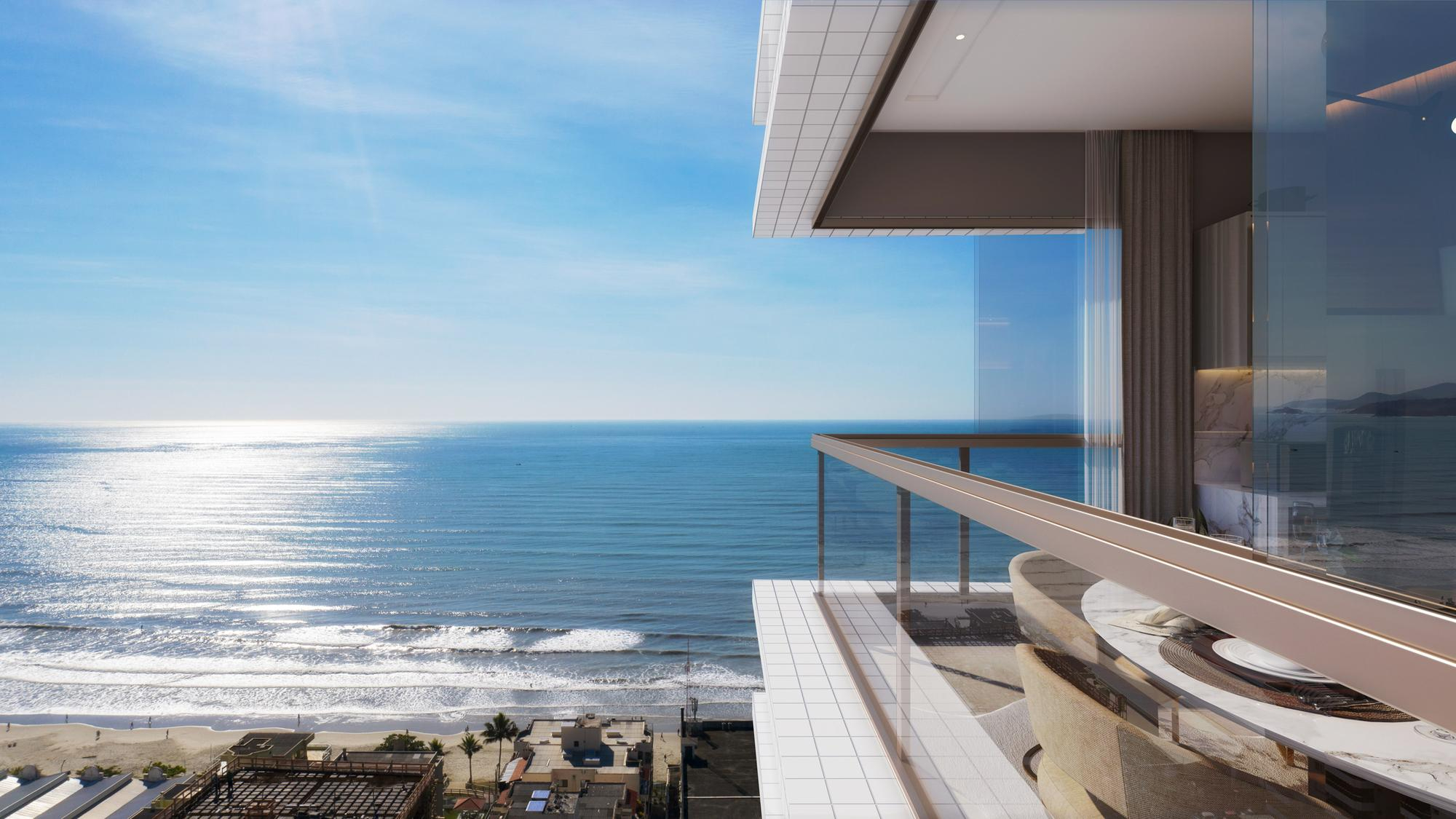
The vacation apartment market still offers opportunities, but it no longer forgives random decisions. Kamil Krzyżanowski, CEO of Renters, discusses what to look for when purchasing a rental property today.
Is it still worth investing in a vacation property, and what should guide the choice?
It is worth considering a purchase in a resort, provided the choice is highly conscious. Investing in a vacation unit still makes sense, but this is no longer a market for everyone, and it’s certainly not a “buy anything in a resort” type of market.
Ten or fifteen years ago, vacation apartments were a market novelty and practically sold themselves. Today, the offer in resorts is vast. There is no shortage of people interested in owning a second home by the sea or in the mountains. A large group of our clients consists of individuals who bought such a property as a “second home” to diversify their assets or secure their future for retirement. They live in a major city and rent out their property at the coast or in the mountains through an operator. There are also clients for whom vacation apartments are more than just an investment; for many, it is primarily their own place to relax. In these cases, renting it out the rest of the time is a way to offset property maintenance costs.
Many of them achieve satisfying results. However, not every location and every investment project can defend rates comparable to properties on the first shoreline or those with unique views and amenities. For years, small studios dominated sales, and today, many resorts simply have too many of them. In practice, larger, well-designed two- and three-bedroom apartments—which meet the needs of families and organized groups—perform better.
An apartment in a top location will defend itself through demand, while average projects in the third or fourth line must compete primarily on price today. From a rental perspective, the winners are places that are simply attractive to the guest: well-located in the resort, close to the local attractions, designed to a high standard, with additional amenities, and without an oversupply of identical apartments next door.
Is the demand for vacation units growing?
Over the last few years, property prices in resorts grew very quickly, often faster than the income-generating potential of rentals. Today, in many places, prices are disconnected from what an apartment can realistically earn.
If clients in Warsaw or Gdańsk can buy a new apartment in the 600,000–800,000 PLN range, it is difficult to expect them to accept a similar price for a 30-square-meter developer-standard studio in a smaller tourist town without a view of the sea or mountains. Buyers haven’t disappeared; they have simply stopped agreeing to prices that aren’t backed by real rental potential.
What should an investor know before buying a rental apartment in a resort?
Vacation rentals follow a completely different logic than urban apartments. They are more seasonal, require greater financial resilience, and an acceptance of fluctuating income. Not every investor who buys a city apartment for rent will automatically find themselves at home in this model. Furthermore, resorts today are highly competitive and saturated markets. It is also important to remember that the vacation market is volatile, so the key metric is not a single month, but the performance across the entire year.
How much can you earn on a vacation rental?
Real earnings depend primarily on the rental model and occupancy. Short-term rentals work differently than long-term ones, and a hybrid model combining both approaches is yet another story.
At Renters, in tourist destinations, we increasingly work with a hybrid rental model. This combines short-term rentals during peak demand seasons with mid- or long-term rentals during the off-season. For many owners, this is currently the most effective solution because it allows for flexibility and a quick response to market shifts without downtime or wasting months on changing strategy.
Currently, in typical resort towns, the real return on investment (ROI) from rentals usually fluctuates around 5–7%, assuming average occupancy and after deducting all operating costs. In the case of larger, more luxurious apartments offering a higher standard and more space, the result is usually higher—provided the location is excellent and the offer is tailored to actual demand. You can still find occasional “gems” that reach a profitability of 8–10%, but that often depends on the specific moment the property was purchased.
Zobacz także